
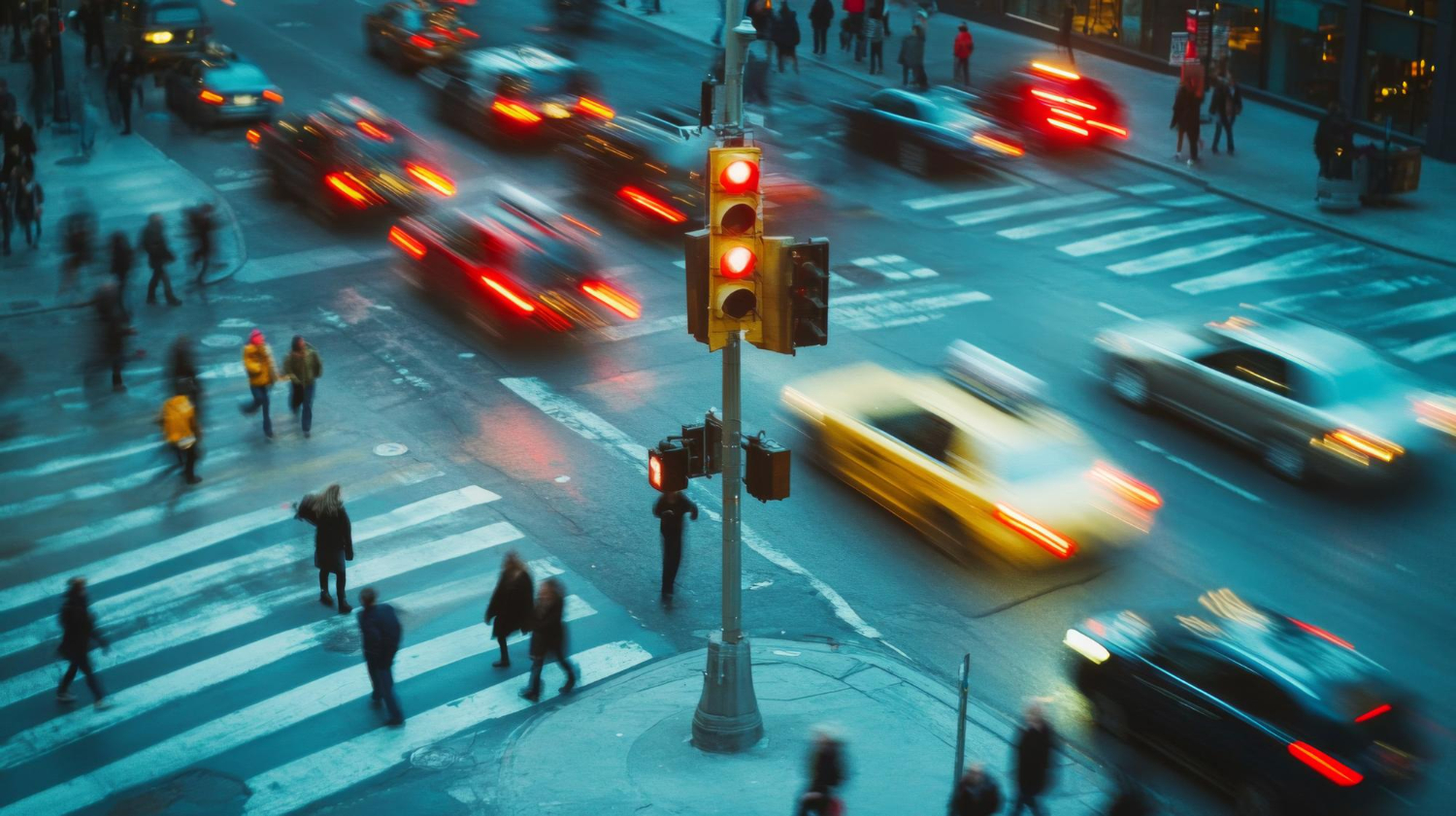
In the context of rapid urbanization and growing challenges in urban mobility, cities need solutions that enable them to operate more safely, efficiently, and sustainably. Intelligent Transportation Systems (ITS) have become essential allies in transforming how we move and manage traffic in both urban and interurban environments.
What Are ITS Technologies?
ITS refers to a set of technological tools designed to optimize traffic flow, improve road safety, and enhance mobility management in cities. These solutions combine sensors, artificial intelligence, specialized software, and data analysis to automate decision-making and adapt traffic systems in real time.
By implementing ITS technologies, local governments can modernize their road infrastructure, respond more swiftly to critical situations, and make strategic decisions based on reliable information.
Key ITS Technologies Every City Should Consider
1. Actuated Traffic Signals
These traffic lights adjust their cycles based on detected vehicle flow. They use sensors or video analytics to activate the appropriate phases, improving urban traffic efficiency and reducing unnecessary waiting times.
2. Smart Traffic Controllers
These are the core of signalized intersection operations. They allow for automated programming and management of intersections, with options for remote control and integration into centralized traffic management platforms — essential for any city aiming for smart mobility.
3. AI-Enabled Cameras and Sensors
Installed on strategic roads, these devices detect risk behaviors, congestion, or accidents in real time. They also collect valuable data to support the design and planning of urban traffic policies.
4. Variable Message Signs (VMS)
Used to inform drivers about traffic conditions, warnings, speed limits, or detours. These tools are highly effective for real-time traffic management, especially on expressways, urban corridors, and road access points.
5. Advanced Traffic Management Systems (ATMS)
These centralized systems operate as control centers that monitor and coordinate multiple intersections, traffic lights, and road devices. They support real-time operational decisions, send alerts, and help optimize resources.
6. Active Signage
This includes beacons, illuminated pavement rings, and electronic signs to alert drivers in school zones, pedestrian crossings, sharp curves, or hazardous areas. The goal is to reduce accidents and enhance safety in critical locations.
7. Accessible Infrastructure for All Users
A modern city must ensure safe crossings for people with disabilities. Contactless pedestrian buttons, audible modules, and accessible signals promote inclusive mobility for all users.
Benefits of Implementing ITS Technologies
- Improves road safety at intersections and high-traffic areas
- Reduces congestion and travel times
- Lowers emissions and supports sustainable mobility
- Provides reliable data for urban mobility decision-making
- Enhances public spaces and overall user experience
Where to Start?
Each city must analyze its specific needs — some may need to modernize their traffic signal network, others to implement smart signage or establish a centralized traffic monitoring center. The key is to understand that technology is not an expense, but a strategic investment in urban quality of life.
Conclusion
ITS technologies empower cities to meet the challenges of modern mobility with effective, scalable, and people-centered solutions. Implementing them is essential to building safer, more sustainable, and smarter cities.
