
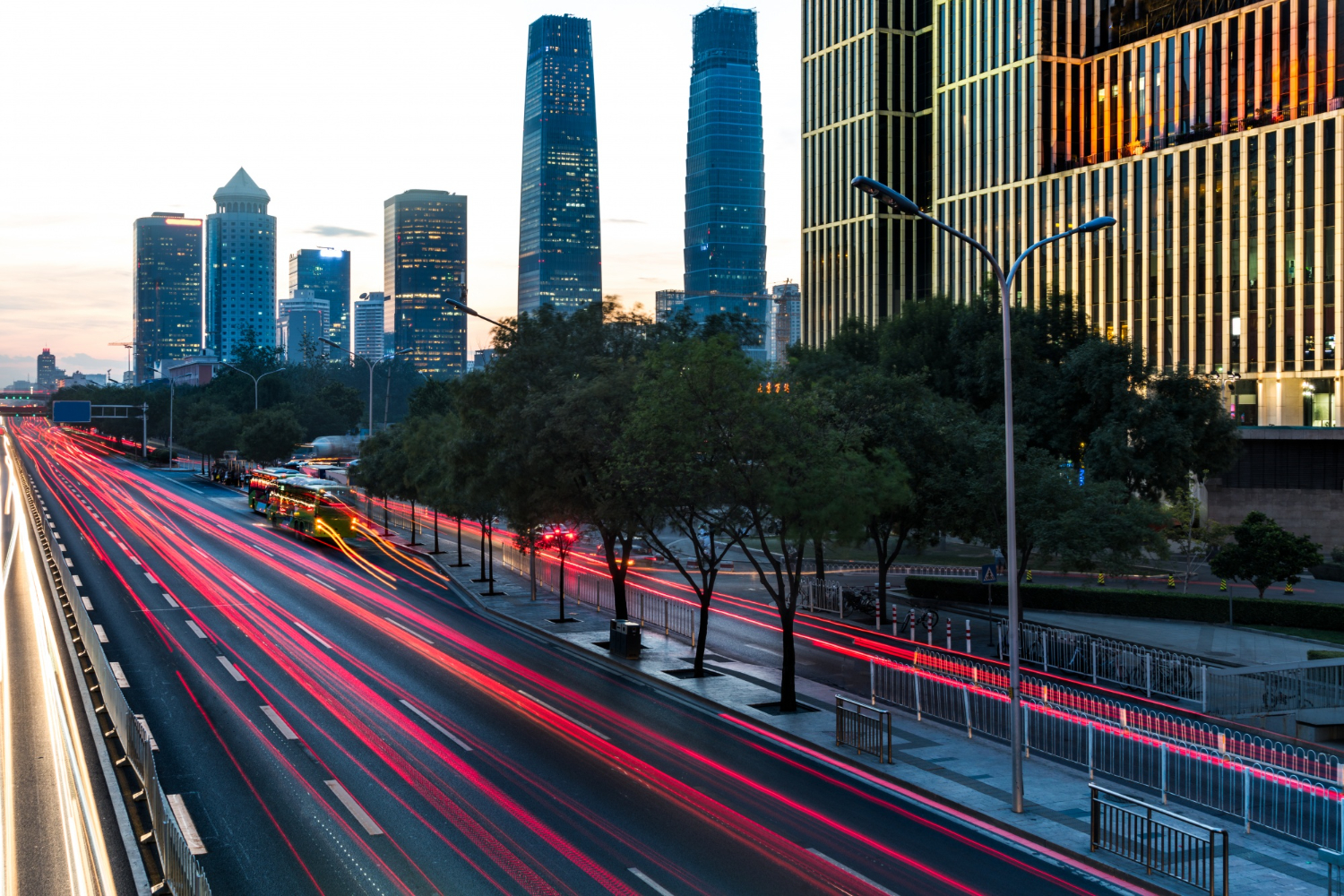
Rapid urbanization, vehicle congestion, and environmental challenges have driven the need to rethink transportation systems. In this context, smart mobility is emerging as a comprehensive, technological, and sustainable solution for building more efficient, safer, and more inclusive cities.
What Is Smart Mobility?
Smart mobility refers to the set of technological solutions applied to the management of traffic, transportation, and road infrastructure, aimed at optimizing vehicle flow, improving road safety, and reducing environmental impact.
It combines sensors, artificial intelligence, real-time information systems, and data analytics to make more efficient decisions regarding the use of urban space and the movement of people.
What Technologies Are Part of Smart Mobility?
Some of the most representative solutions include:
- Intelligent Transportation Systems (ITS): Actuated traffic lights, adaptive controllers, and remote monitoring.
- Active signage: Variable message signs and connected illuminated signals.
- Cameras and sensors: Detecting vehicles, pedestrians, and cyclists to enable real-time alerts.
- Mobility apps and platforms: From traffic apps to integration with public transport and shared bicycles.
- Accessible and inclusive infrastructure: Contactless pedestrian buttons, audible modules, and safe routes for people with reduced mobility.
How Is It Transforming Cities?
Implementing smart mobility brings measurable benefits:
- Reduced congestion: Through optimized traffic signals and dynamic routing.
- Improved road safety: Thanks to risk detection and speed management.
- Lower emissions: Shorter travel times mean less pollution.
- Real-time management: Traffic control centers allow continuous monitoring and immediate decision-making.
- Urban inclusion: Systems are adapted for all users — not just vehicles.
Global Success Stories
- Barcelona has integrated traffic sensors, public bikes, and mobile apps to reduce car dependency.
- Seoul uses big data to predict congestion and automatically adjust traffic lights.
- Los Angeles manages over 4,500 intersections using networked smart traffic lights.
- Medellín and Santiago have implemented smart corridors with adaptive signals and AI-powered cameras.
Why Is It Key to the Urban Future?
Smart mobility isn’t just a trend — it’s an urban necessity. Cities that invest in it gain greater efficiency in space use, promote public transportation, improve air quality, and reduce traffic incidents.
It also lays the groundwork for emerging technologies like autonomous vehicles and shared mobility systems.
Smart mobility represents a new way of thinking about urban transit: more human, more connected, and more efficient. Its implementation not only addresses today’s challenges but also prepares cities for the demands of the future.
