
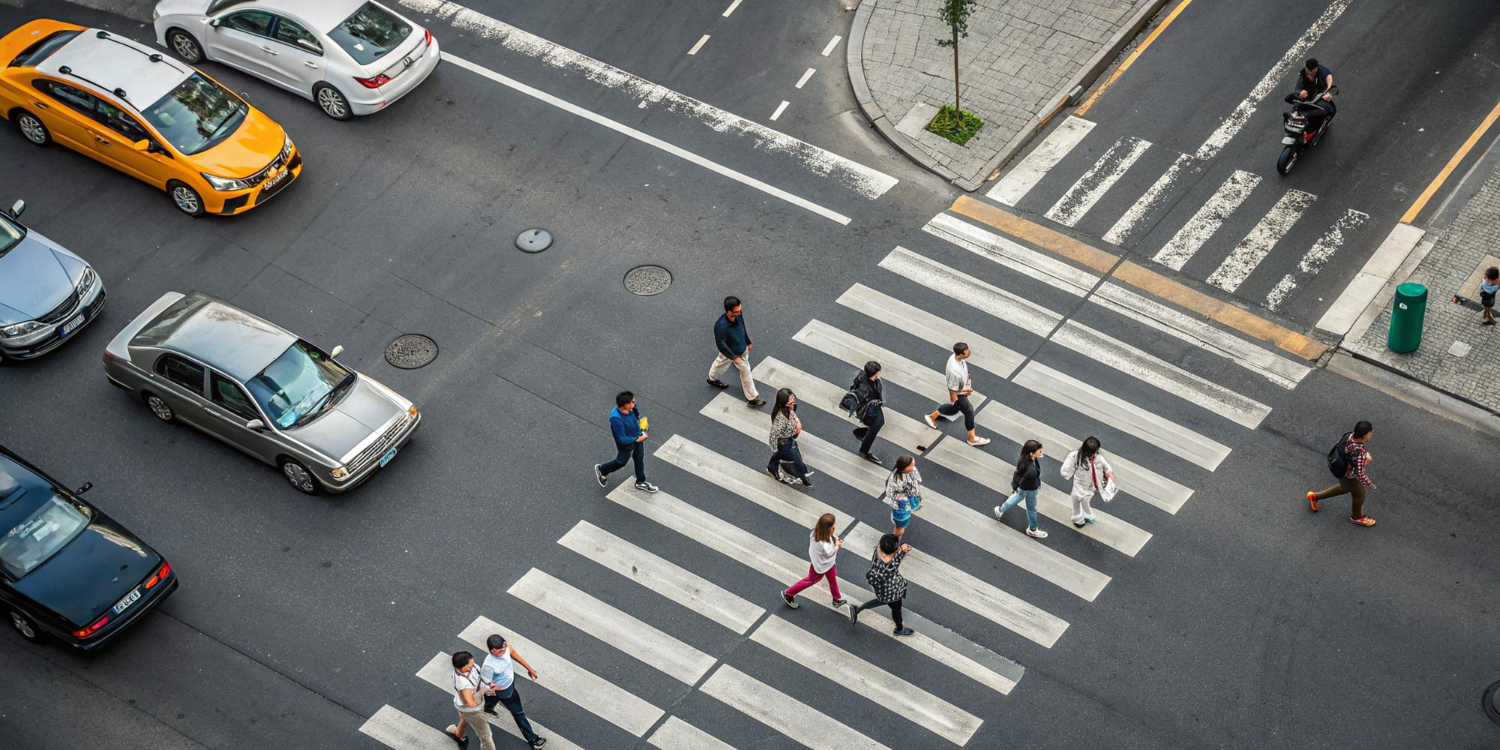
Safe mobility is one of the fundamental pillars of urban transformation. It’s not just about preventing traffic accidents — it’s about designing transit systems that prioritize life, reduce risk, and protect all road users: pedestrians, cyclists, motorcyclists, drivers, and passengers. In cities where traffic has become unpredictable, implementing safe mobility strategies is no longer optional — it’s an urgent necessity.
A city with safe mobility is one that acknowledges human error as an inevitable part of road behavior, and therefore builds its infrastructure and control systems to minimize the consequences of those errors. This involves developing visible pedestrian crossings, clear signage, efficient traffic light systems, early warning tools, and speed control in critical areas.
Safe mobility is based on the principle of “Vision Zero”: zero traffic deaths and zero serious injuries. This philosophy, adopted by many cities around the world, understands that human life outweighs any other traffic metric. Achieving this requires a combination of education, enforcement, and technology.
In this context, ITS (Intelligent Transportation Systems) technologies play a central role. Devices such as AI-powered cameras, illuminated warning signs for drivers, contactless pedestrian buttons, auditory modules for the visually impaired, and traffic lights with pedestrian-safe phases are tools that help anticipate risks and prevent dangerous situations.
One of the most critical elements of safe mobility is the design of intersections. Many traffic-related fatalities in urban areas occur at crossings with poor visibility, insufficient signal timing, or disregarded signs. In these spaces, technological solutions must be paired with physical redesigns: raised pedestrian crossings, improved lighting, removal of visual obstacles, and speed reduction through traffic calming measures.
Another essential component is speed management. Excessive speed is one of the main risk factors in urban areas — not only does it increase the likelihood of an accident, but it also drastically raises the severity of the outcome. Solutions such as educational speed radars, active signage, automatic license plate recognition cameras, and designated traffic calming zones help shift road culture and create safer environments for everyone.
Safe mobility must also be inclusive. A street cannot be considered safe if it doesn’t provide appropriate crossing conditions for an elderly person, a parent with a stroller, a person with a disability, or a child on their way to school. That’s why universal accessibility must be at the core of urban and traffic infrastructure design. Contactless buttons, well-built ramps, audible traffic signals, and clear signage are expressions of urban justice and respect for life.
From Soluciones de Tráfico’s experience, safe mobility is not achieved through a single action. It’s an integrated process involving technical assessments, regulatory design, technological implementation, and ongoing maintenance. Every city has its own specific challenges, but they all share a common goal: making sure that moving through the city does not mean being constantly at risk.
Investing in safe mobility means investing in public trust, quality of life, sustainability, and development. It’s not just about complying with regulations — it’s about transforming public space into an environment that values life, protects the most vulnerable, and allows everyone to reach their destination without fear.
