Traffic Controllers

  • Fixed-time, manual, actuated, or centralized operation
  • Compatible with pedestrian buttons, radars, cameras, and sensors
  • Remote connectivity via cellular network, Ethernet, or optical fiber
  • Standardized protocols for integration with centralized management systems
  • Logging of events, errors, and operational statistics
  • Robust and modular design for easy maintenance and system scalability
  • Urban and interurban signalized intersections
  • Complex crossings with high vehicle and pedestrian traffic
  • ITS projects with actuated or centralized traffic control
  • School zones, residential areas, or locations with bicycle lanes
  • Smart city initiatives with remote monitoring capabilities
  • Robust and scalable infrastructure
  • Standard components for greater flexibility, continuity, and reliability
  • Optimizes signal cycles and phasing to reduce congestion and emissions
  • Adapts to real traffic patterns through dynamic detection
  • Supports inclusive intersections with phases for pedestrians and cyclists
  • Ready for integration with smart city platforms and real-time mobility management

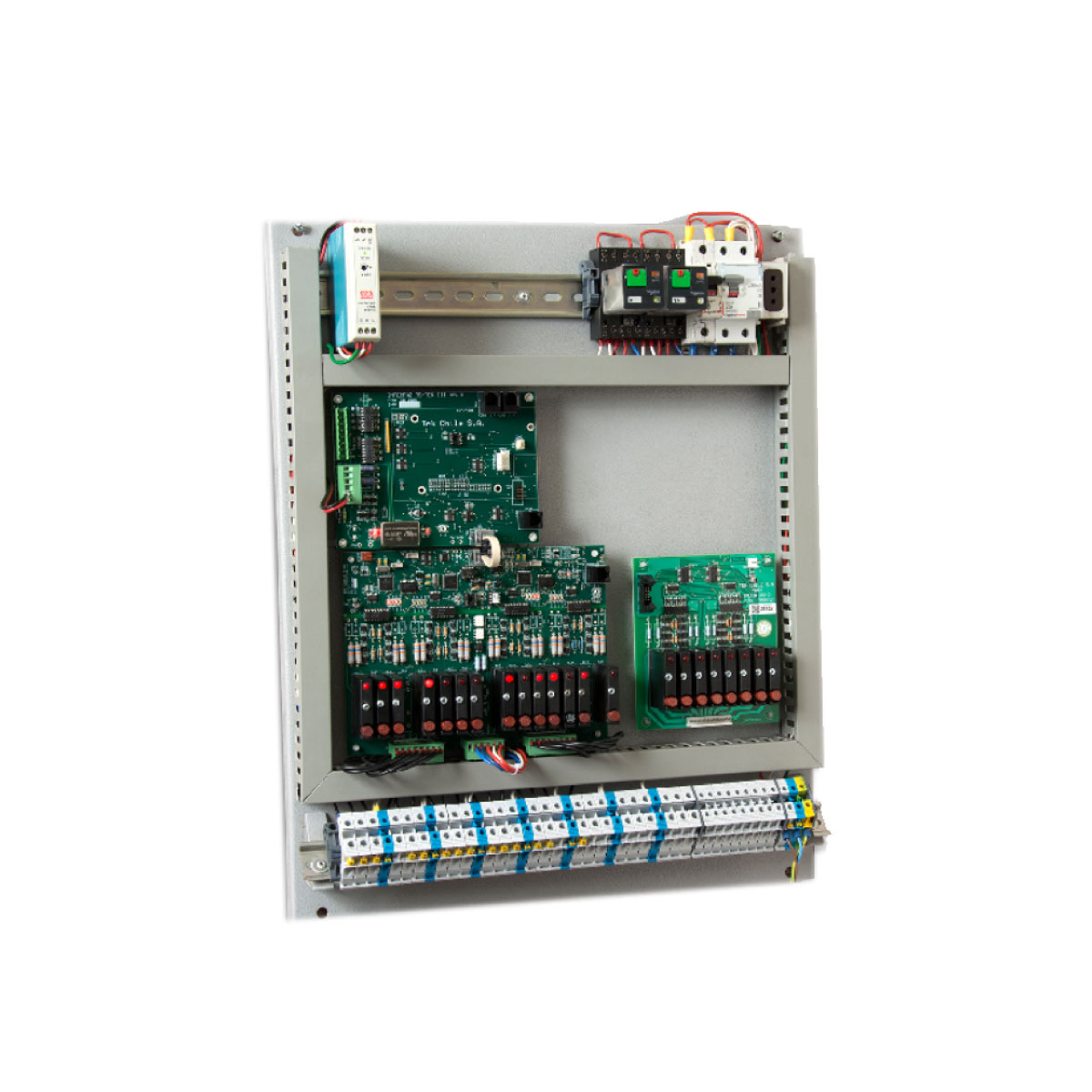
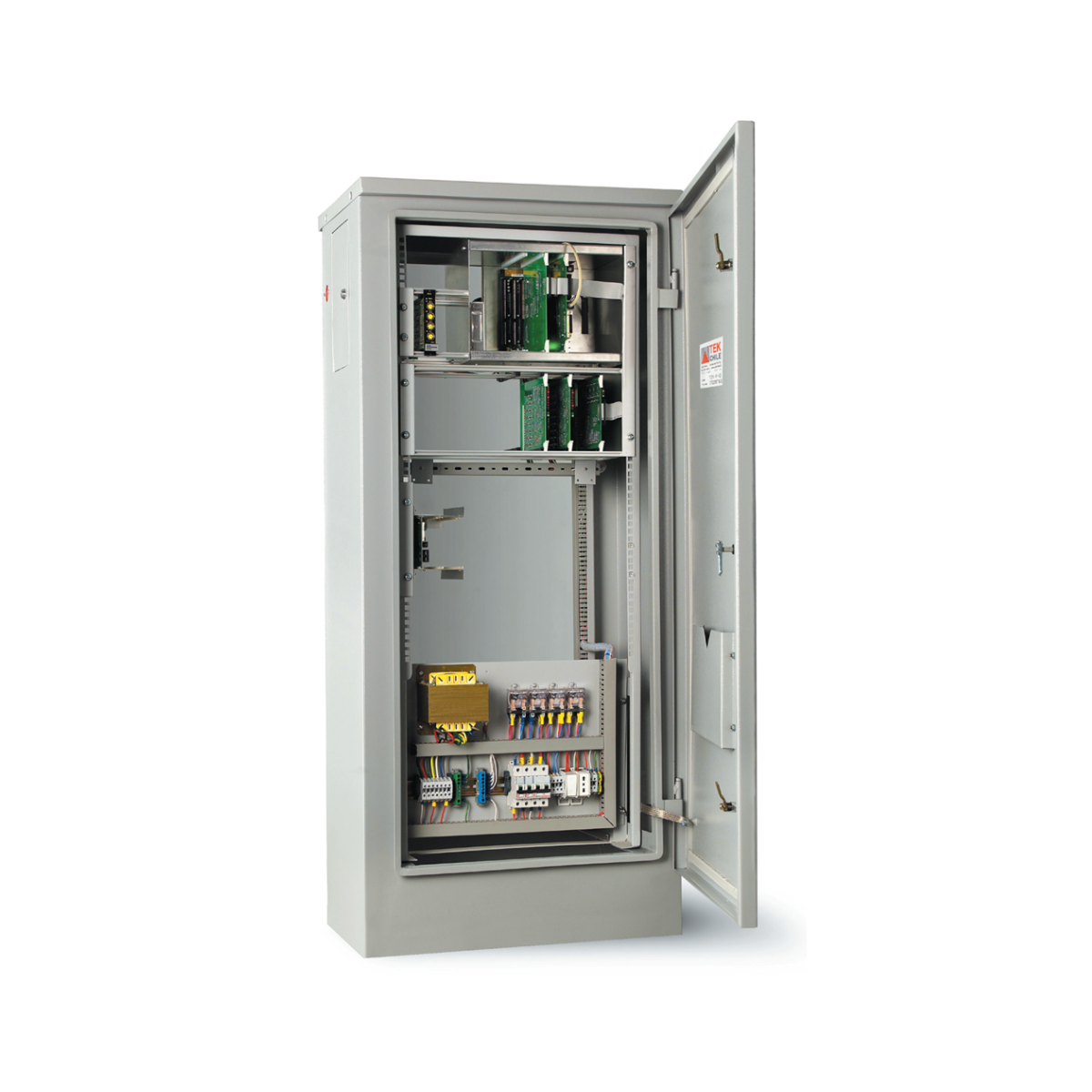
The traffic controller is the operational core of any signalized intersection. Its role is to precisely manage the timing, phasing, and right-of-way priorities for all road users—vehicles, pedestrians, and cyclists—adapting to real-time demand or scheduled operation schemes.

We offer traffic controllers in AC and DC versions, compatible with conventional power grids or alternative energy systems such as solar. We also provide UGAT and IoT-ready versions, all designed for high reliability, operational flexibility, and seamless integration with next-generation ITS technologies.

  • Fixed-time, manual, actuated, or centralized operation
  • Compatible with pedestrian buttons, radars, cameras, and sensors
  • Remote connectivity via cellular network, Ethernet, or optical fiber
  • Standardized protocols for integration with centralized management systems
  • Logging of events, errors, and operational statistics
  • Robust and modular design for easy maintenance and system scalability
  • Urban and interurban signalized intersections
  • Complex crossings with high vehicle and pedestrian traffic
  • ITS projects with actuated or centralized traffic control
  • School zones, residential areas, or locations with bicycle lanes
  • Smart city initiatives with remote monitoring capabilities
  • Robust and scalable infrastructure
  • Standard components for greater flexibility, continuity, and reliability
  • Optimizes signal cycles and phasing to reduce congestion and emissions
  • Adapts to real traffic patterns through dynamic detection
  • Supports inclusive intersections with phases for pedestrians and cyclists
  • Ready for integration with smart city platforms and real-time mobility management

You're interested in

Traffic Controllers